Weight gain is a common problem among women undergoing menopause. In fact, 90% of menopausal women report a certain amount of weight gain. In most cases, this increase in weight is difficult to fully prevent since it is caused by factors beyond our control. However, when the right corrective measures are not taken, a simple case of weight gain can progress to become obesity. This is evident in 30% of women aged between 50 and 59 who are obese.
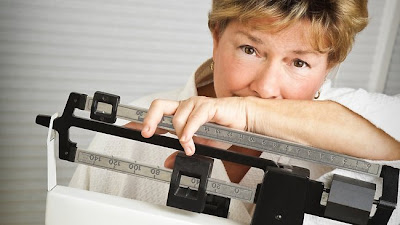 Symptoms of menopausal weight gain
Other causes
Health experts have for many years been looking for a solution to the rampant weight gain during menopause. Various treatment options such as surgery, therapies and drugs have been recommended. However, it is always advisable to start with techniques that are considered safe in that they have no serious side effects. For example, one can start with a major lifestyle change; quit drinking alcohol, reduce consumption of sugary and other high calorie foods and exercise more often. In many cases, a change in lifestyle is enough to reverse the effects of menopause and become healthier.

How do you know that you are gaining weight during menopause? There are several signs and symptoms that you should be on the lookout for. They include;
- A difficulty in controlling your weight. You will observe that despite your efforts in dieting and exercising, your weight is still on the rise. This is a sign that other biological factors as a result of menopause are at play.
- The body shape changes. Your thighs, buttocks and belly gain more fat and may even sag.
- Steady weight gain. Over a certain period of time, the body continuously gains weight at a steady rate.
- Increase in the amount of body fat. The percentage of fat that is in your body rises thus contributing to the increased weight.
- Lower metabolism. You feel lethargic and tired as a result of reduced body metabolism. The reduced metabolism also means that calories are not burned as much as before and body weight increases.
Causes of weight gain can be divided into two main categories. These two categories are hormonal causes and other causes such as aging and lifestyle.
Hormonal causes
- Lower estrogen levels. Studies have shown that a decrease in the amount of estrogen in the body tends to reduce physical activity, lower metabolic rate and increase food consumption. Estrogen hormone therapy is a weight control method that is sometimes used to combat the effects of reduced estrogen.
- Decreased progesterone levels which lead to higher water retention in the body.
- Increased androgen hormone levels. As the amount of the hormone androgen increases during menopause, more fat accumulates around the belly and hips.
- A drop in the level of testosterone which reduces the amount of lean muscle thus lowering metabolic rate in the body. This leads to weight gain.
Other causes
- Inactivity. As one grows older, he or she engages in less physical activity. Less fat is burned in the body leading to its accumulation.
- Lower metabolic rate. Aging also results in a slowed down metabolism which means that the rate at which calories are burned goes down.
- Lifestyle. Various lifestyle factors can also lead to major weight gain in older women. These factors include stress and depression, bad dietary habits, drinking alcohol in excess and use if various medications.
Health experts have for many years been looking for a solution to the rampant weight gain during menopause. Various treatment options such as surgery, therapies and drugs have been recommended. However, it is always advisable to start with techniques that are considered safe in that they have no serious side effects. For example, one can start with a major lifestyle change; quit drinking alcohol, reduce consumption of sugary and other high calorie foods and exercise more often. In many cases, a change in lifestyle is enough to reverse the effects of menopause and become healthier.
Comments
Post a Comment